FESTIVAL INTERNACIONAL DE CINE INDEPENDIENTE DE MADRID

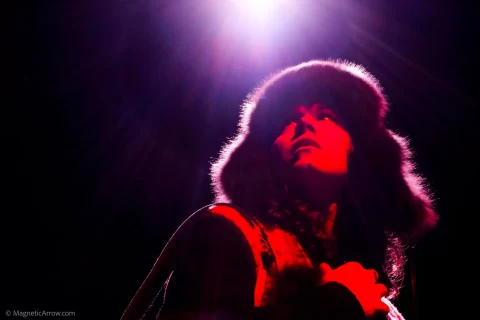
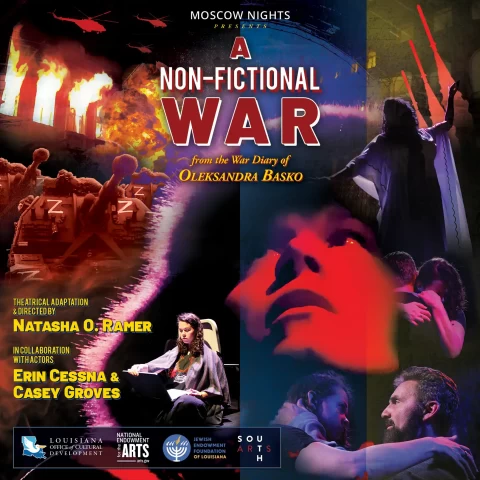
Oleksandra Basko’s A Non-Fictional War – Natasha O. Ramer
Oleksandra Basko’s script narrates with blind brutality the Russian-Ukrainian war and Putin’s large-scale invasion. A dark and furious film that places us with merciless premeditation in the epicentre of horror, daring to delve into many of those collateral effects that a war brings at a family or marital level. Because war is not only a propitious context for degrading and / or heroic acts.
Far from it. War debases us all. War is an unbeatable breeding ground for a multitude of small scoundrels and is capable of devaluing our moral principles to unsuspected limits.
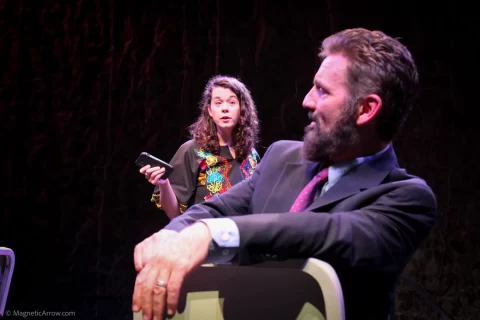
It is in the small details of Oleksandra Basko’s memoirs, in her desperation, confusion and loneliness, intensely human and emotional, where we understand all the crudeness of war experienced by a woman. We look uneasily through a keyhole, from a privileged position like voyeurs, at the influence of war on the thoughts, emotions, customs, desires, feelings, passions and behaviour of the sufferers Erin Cessna and Casey D. Groves, through uncomfortable dialogues and an intimate theatrical staging.
The main couple has abandoned the city where they lived and their professional work in order to escape the invasion and the bombings to protect their children.
They have opted for tranquility, isolation, life in the countryside and self-sufficiency, living among their memories of the past, the daily routine, the usual frictions of life together and their own personal and couple frustrations. The cruel, hurtful and monstrous reality of war is recreated through the lights and shadows on the stage by the imaginative cinematographer Antony Sandoval, using all the elements he had in his pantry with wisdom, economy and precision, reserving the close-ups of his excellent actors for the epilogue of the film.
Natasha O. Ramer succeeds in showing the harshness of war, its destruction and desolation, how it is governed by absurd impulses and feeds hatred, desires for revenge and unfounded reprisals. The film defends peace and the end of war with an optimistic, hopeful and humanistic look:
“Mom, remember you told me that our entire life is just a dream that God dreams?”
Oleksandra Basko believes in God, loves her family and
When people were going to the gallows, it was easy to see the difference between those who believed in something, facing death with integrity, honour and pride, and those who believed in nothing, totally frightened and collapsing pathetically before the emptiness that awaited them.
In Skammen (1968), Liv Ullmann said …
“Sometimes everything seems like a dream. Not my dream, but someone else’s. When this other person wakes up, will He feel ashamed?”